Lift Kit Installation Guide: Enhancing Performance and Style
For car enthusiasts in Dover, DE, looking to boost their vehicle’s performance and style, a lift kit can be a game-changer. Whether you’re gearing up for some serious off-road performance or simply want your truck to stand out on city streets, installing a lift kit can provide the transformation you crave. In this guide, we’ll walk you through everything you need to know about lift kits—from choosing the right one to the installation process and beyond.
Understanding Lift Kits: The Basics
Before diving into the installation process, it’s crucial to understand what lift kits are and how they can benefit your vehicle.
What is a Lift Kit?
A lift kit is a modification that raises the body or suspension of a vehicle. The primary types are suspension lift kits and body lift kits. Suspension lift kits increase ground clearance and enhance off-road capabilities, while body lift kits focus more on aesthetics, allowing for larger tires without altering the suspension system.
Think of a lift kit as a pair of platform shoes for your vehicle. Just as platform shoes elevate your stature and allow you to tread in places you couldn’t before, a lift kit elevates your vehicle, providing better visibility and the ability to navigate rough terrains.
Benefits of Installing a Lift Kit
Enhancing off-road performance and achieving a custom car lift are the primary reasons many opt for lift kits. They provide better visibility on the road and the ability to tackle rough terrains with ease. Additionally, they allow for larger tires and wheels, contributing to a vehicle’s aggressive look and improved handling in certain conditions.
Consider the scenario of a weekend warrior who loves exploring backcountry trails. A suspension lift kit not only allows their truck to clear obstacles like rocks and fallen branches but also enhances the vehicle’s overall stability on uneven ground. This means fewer chances of damaging the undercarriage and more opportunities for adventure.
Choosing the Right Lift Kit
Selecting the appropriate lift kit involves several considerations to ensure it aligns with your vehicle’s needs and your personal preferences.
Types of Lift Kits
- Suspension Lift Kits: Ideal for those seeking improved off-road performance. They offer increased ground clearance and better articulation.
- Body Lift Kits: Suitable for those looking to enhance their vehicle’s appearance without major changes to suspension dynamics. They are generally more affordable and easier to install.
Considerations for Selection
When choosing a lift kit, consider your driving habits, the terrain you frequently encounter, and your budget. For example, if you spend most weekends exploring off-road trails, a suspension lift kit would be more beneficial. Conversely, if you mainly drive on paved roads but want a taller stance, a body lift kit might be more appropriate.
Furthermore, cost is an important factor. Suspension lift kits can range from $1,000 to $5,000 or more, depending on the complexity and quality of the components. Body lift kits, on the other hand, are typically less expensive, ranging from $200 to $600. It’s crucial to weigh these costs against the potential benefits and your intended use.
Preparing for Installation
Proper preparation is key to a successful lift kit installation. This stage involves gathering tools, ensuring safety, and setting up your workspace.
Tools and Equipment
You’ll need a variety of tools, including wrenches, jacks, and possibly a drill. Having the right equipment on hand will make the installation process smoother and more efficient.
Safety Precautions
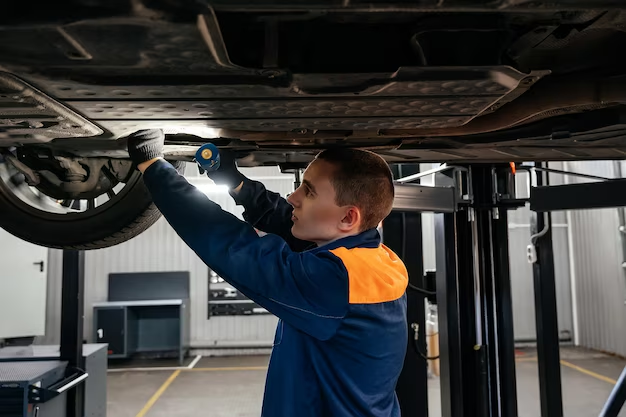
Safety should always be a priority. Ensure your vehicle is parked on a level surface and securely supported by jack stands. Wear protective gear such as gloves and safety glasses to prevent injuries during the process. Think of these precautions as a safety net; they might seem cumbersome, but they provide essential protection.
Step-by-Step Installation Guide
Now that you’re prepared, it’s time to dive into the installation. Here, we’ll cover a general process applicable to most lift kits. Always refer to the specific instructions provided with your kit.
Removing Existing Components
Start by removing the wheels and any parts that might obstruct access to the suspension system. This might include the shocks or struts, depending on your vehicle’s make and model. Picture this as decluttering your workspace; clearing the area allows for a more straightforward installation process.
Installing the Lift Kit
Once you’ve cleared the area, begin installing the new components of your lift kit. This usually involves fitting new springs, spacers, or lift blocks into place. Ensure all components are securely fastened to avoid issues down the road. This step is like assembling a piece of furniture; each part must be correctly aligned and secured for the final product to be stable and functional.
Final Adjustments and Alignment
After installation, it’s critical to check all bolts and nuts for tightness. Reinstall the wheels and lower the vehicle. An alignment is often necessary to ensure the vehicle handles properly, as the lift can alter the suspension geometry. Consider this like tuning a musical instrument; even a small misalignment can affect overall performance and harmony.
Post-Installation Tips
With the lift kit installed, there are a few post-installation steps to consider to maintain performance and safety.
Checking for Proper Functionality
Drive your vehicle on a safe, controlled route to test the lift kit’s effectiveness. Listen for any unusual noises and monitor how the vehicle handles. This is crucial for identifying any adjustments needed. It’s similar to test-driving a new car; you want to ensure everything feels right before hitting the open road.
Regular Maintenance
Lift kits can affect your vehicle’s suspension system, so regular maintenance is important. Check components for wear and tear and ensure that all bolts remain tight over time. This helps maintain the integrity of your custom car lift. Think of it as regular dental check-ups; ongoing care prevents larger issues down the line.
Furthermore, preventative maintenance can save costs associated with potential repairs. Regularly inspecting components and keeping them well-lubricated can prevent issues that could otherwise lead to expensive repairs.
Enhancing Style with Additional Upgrades
Beyond the lift kit, there are additional upgrades you can consider to further enhance your vehicle’s style and functionality.
Wheels and Tires
Larger wheels and tires not only complement the new lift but also improve traction and off-road capabilities. Choose options that suit both your aesthetic preferences and practical needs. Imagine this as accessorizing your outfit; the right shoes can complete your look and provide added functionality.

Lighting and Accessories
Upgraded lighting can improve nighttime visibility and add to the vehicle’s aesthetic appeal. Consider installing LED light bars or fog lights for enhanced performance. These additions not only make your vehicle look more aggressive but also serve practical purposes, much like a lighthouse guiding ships through the night.
For those in Dover, DE, looking to take their vehicle to the next level, a lift kit offers both performance enhancements and a striking aesthetic boost. Whether you’re tackling challenging terrains or simply cruising the streets, the right lift kit can transform your driving experience.
Ready to enhance your vehicle’s performance and style? Contact Harris Towing Services today for expert advice and assistance with your lift kit installation. Our team is here to help you achieve your custom car lift dreams with professional and reliable service.
